The Silence
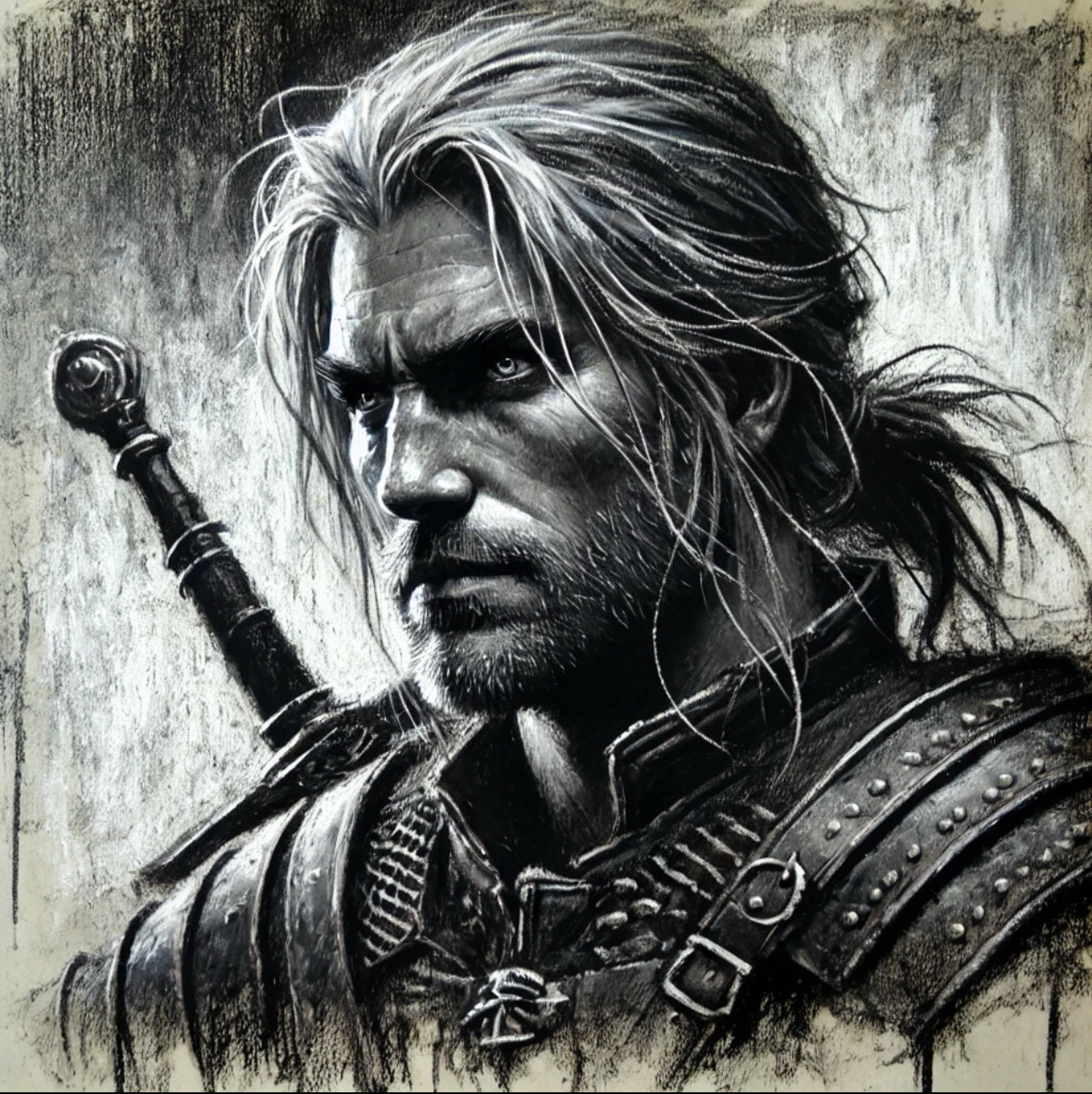
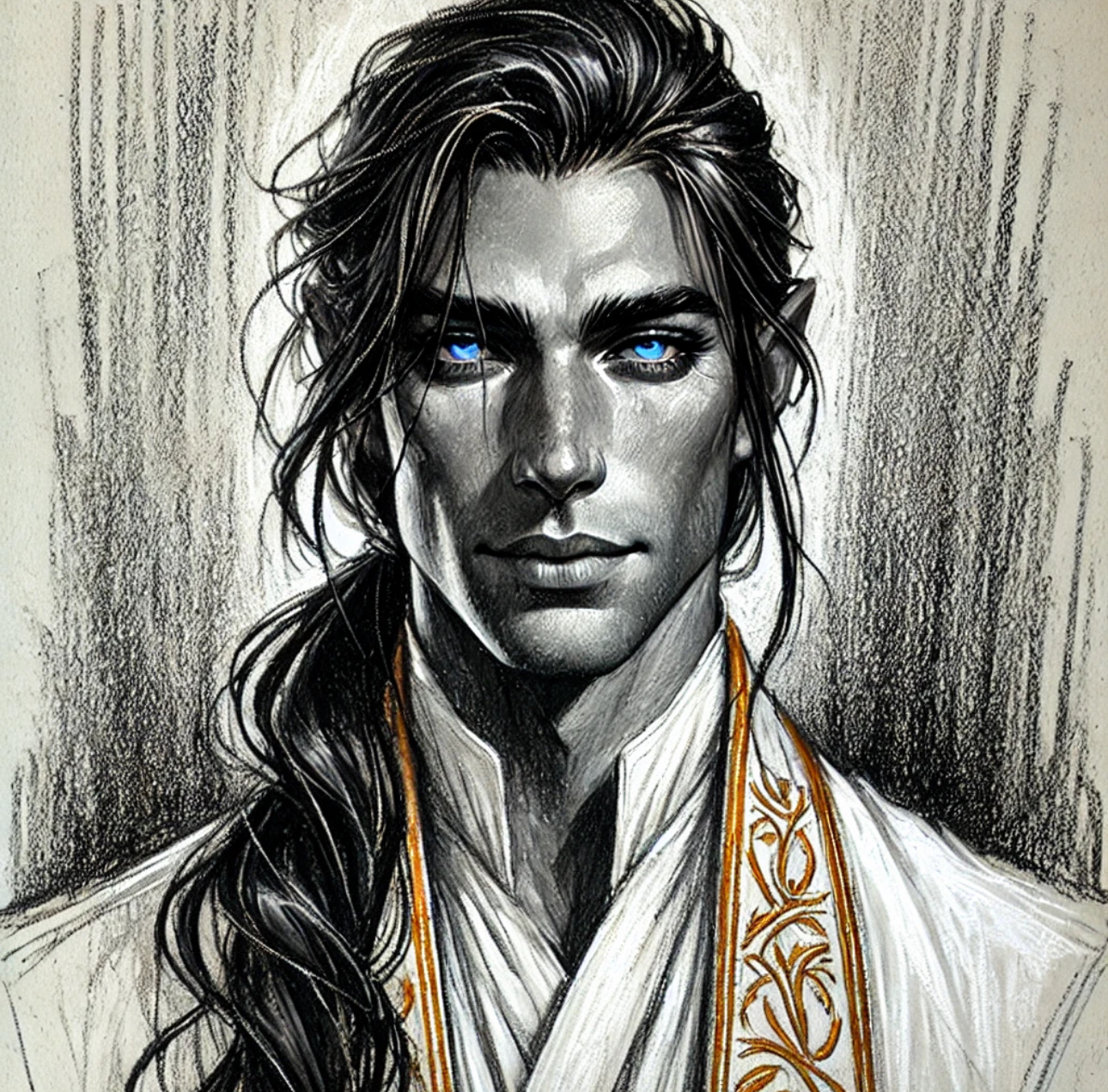
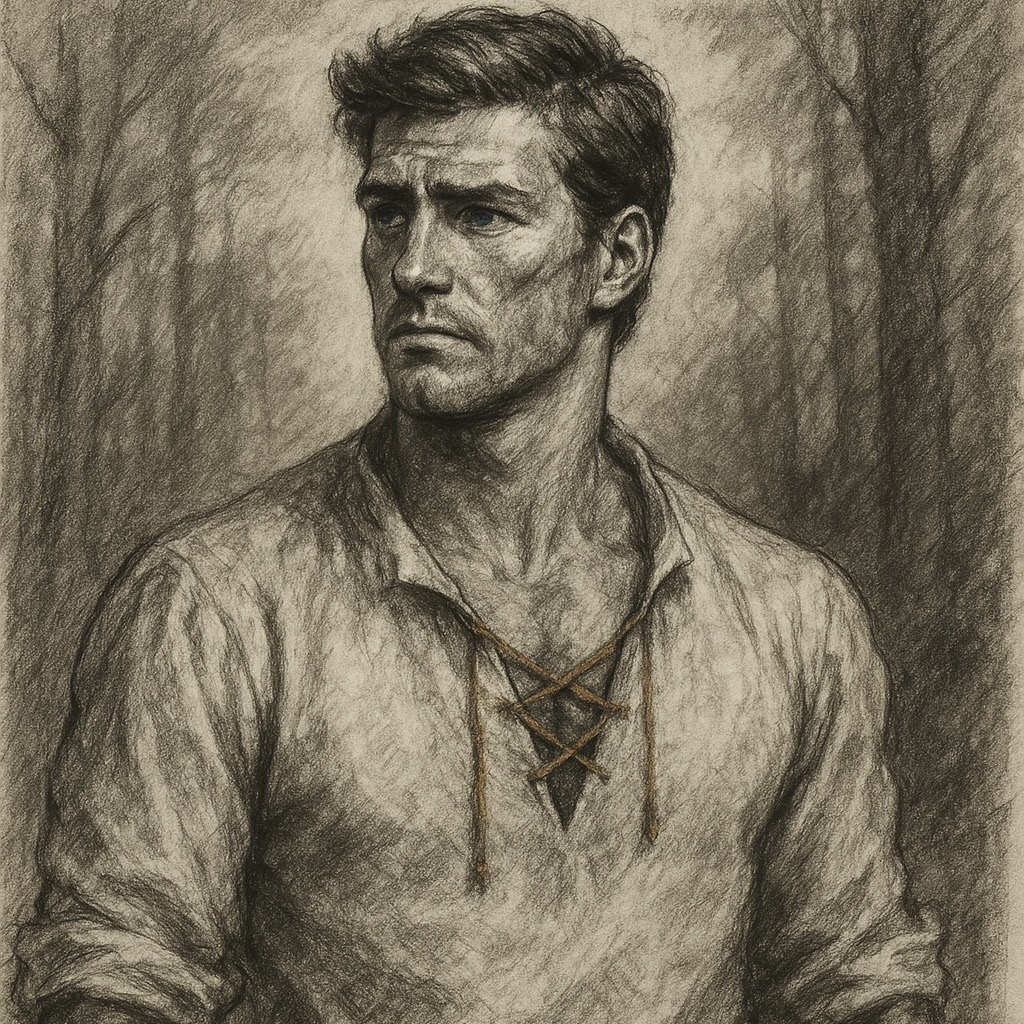
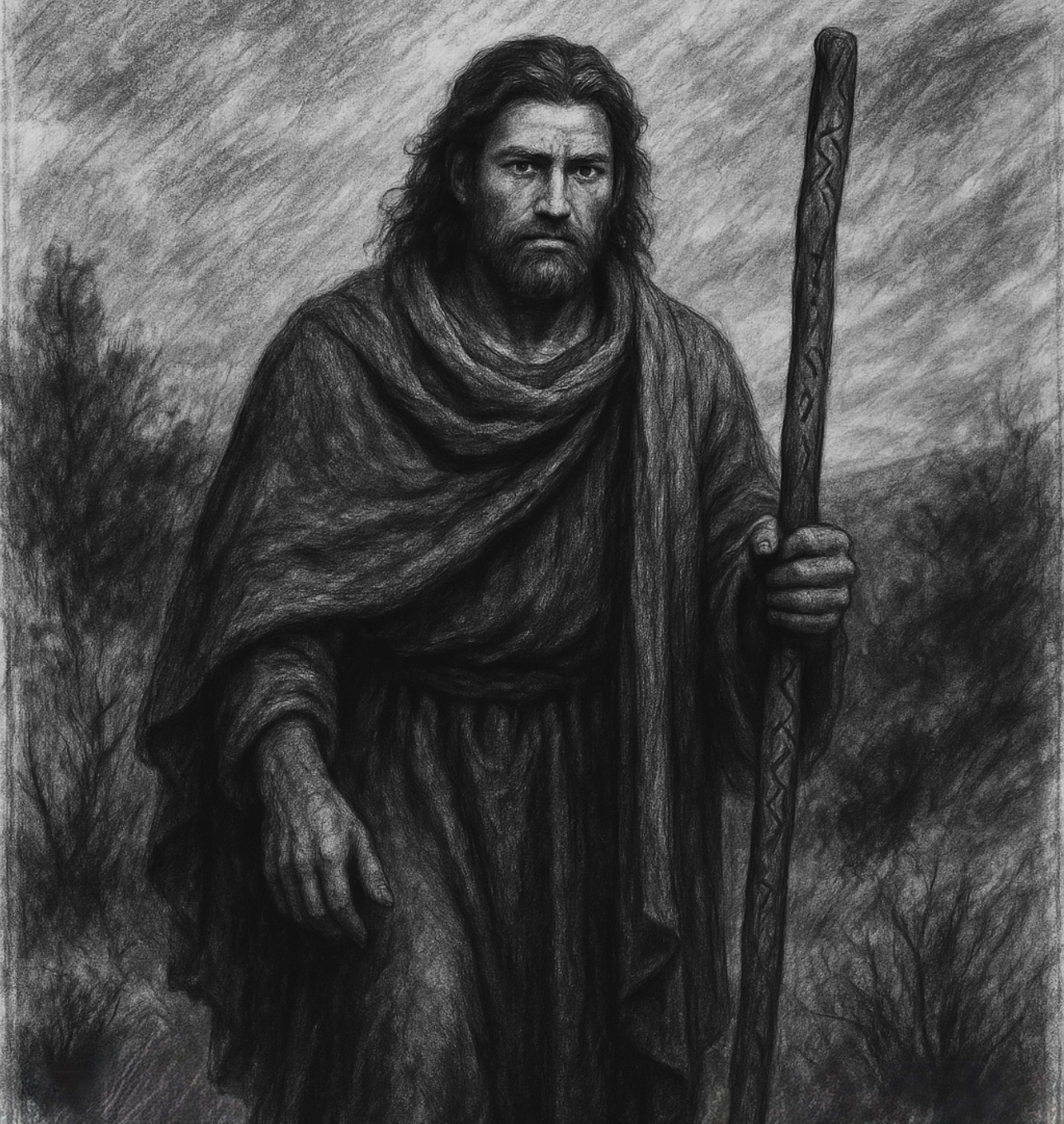
Kaelen R'Veyne
Character details · Spoilers
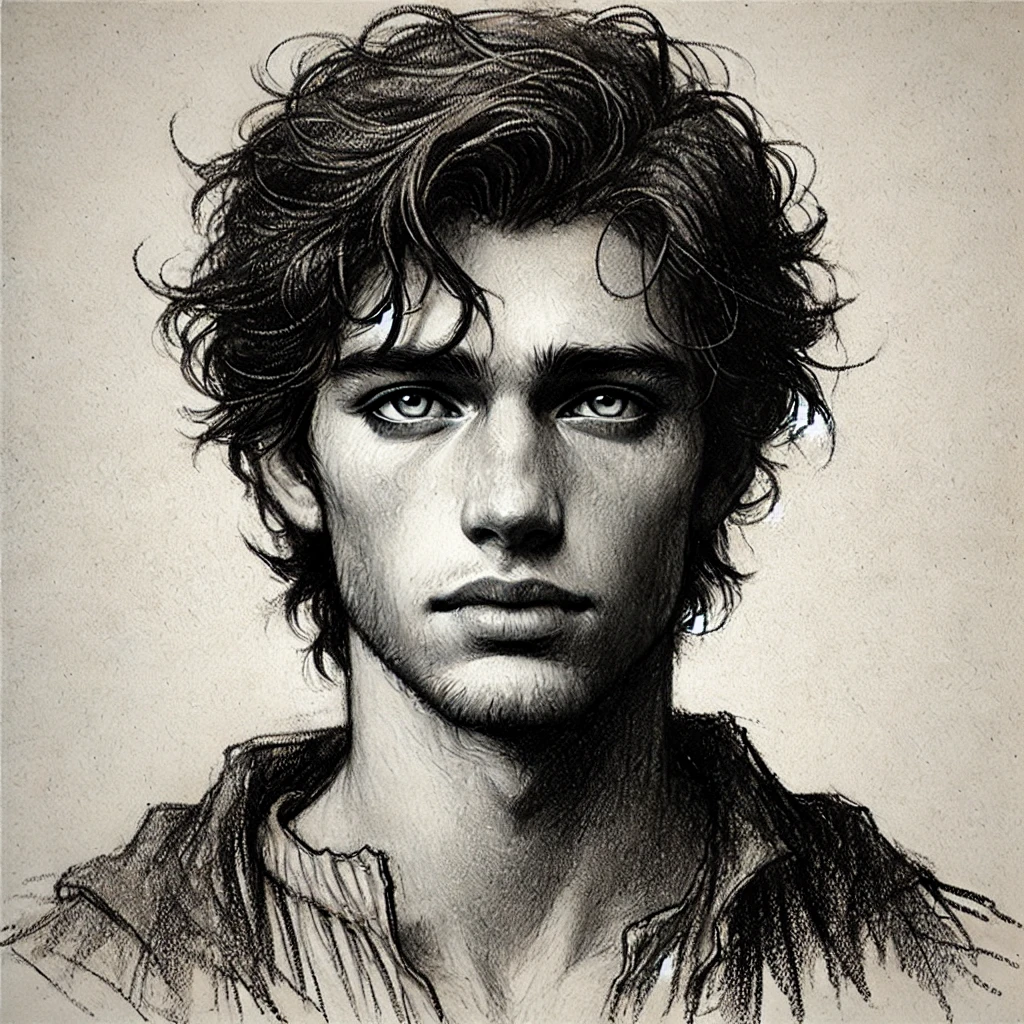
"The Silver Hunter"
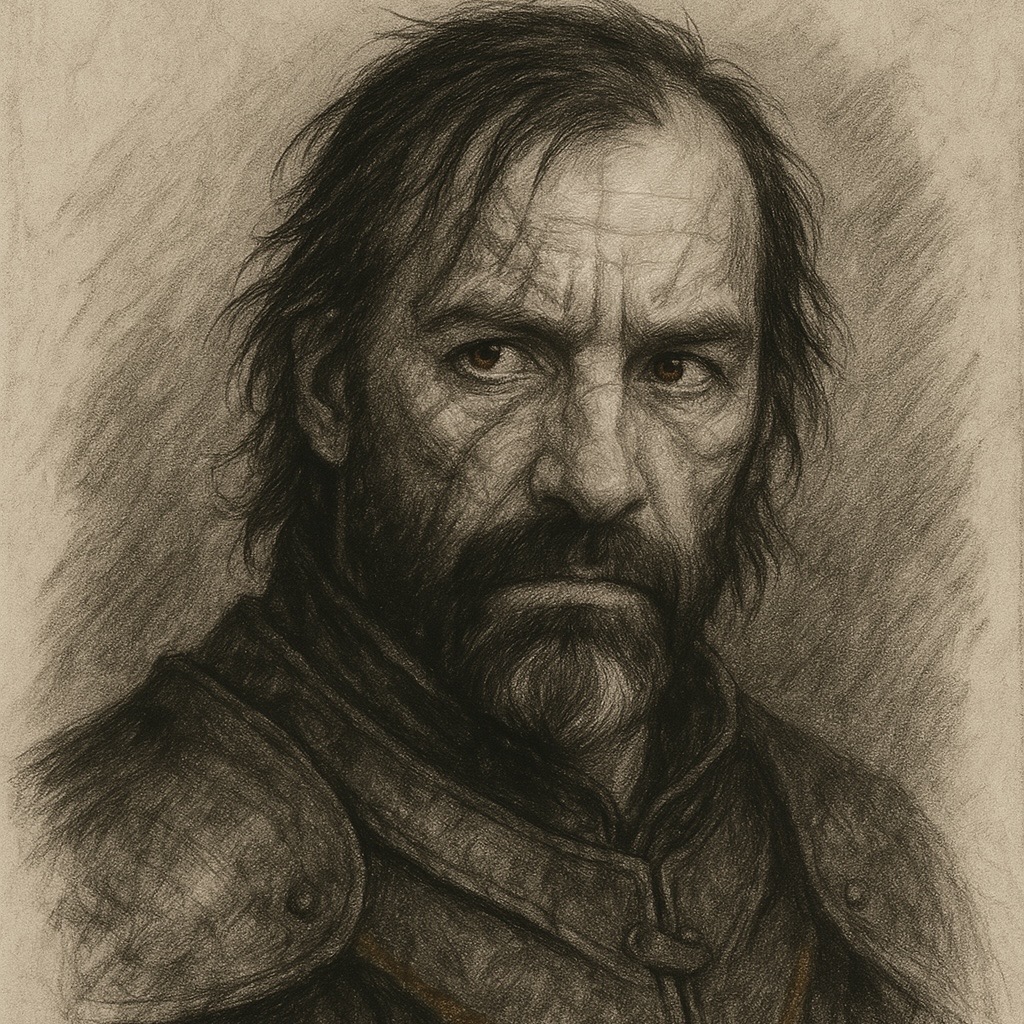
The Silver Hunter of the Godscarred Wastes, born to the Ashborn tribes and built around a single wound — the first of the five whose whisper we hear, and the one it cuts closest to the bone. His story in The Silence runs from self-hatred to self-acceptance, from isolated legend to devoted protector.
Bloodmarked · Ashborn · Protector
Full profile contains spoilers
The Silence
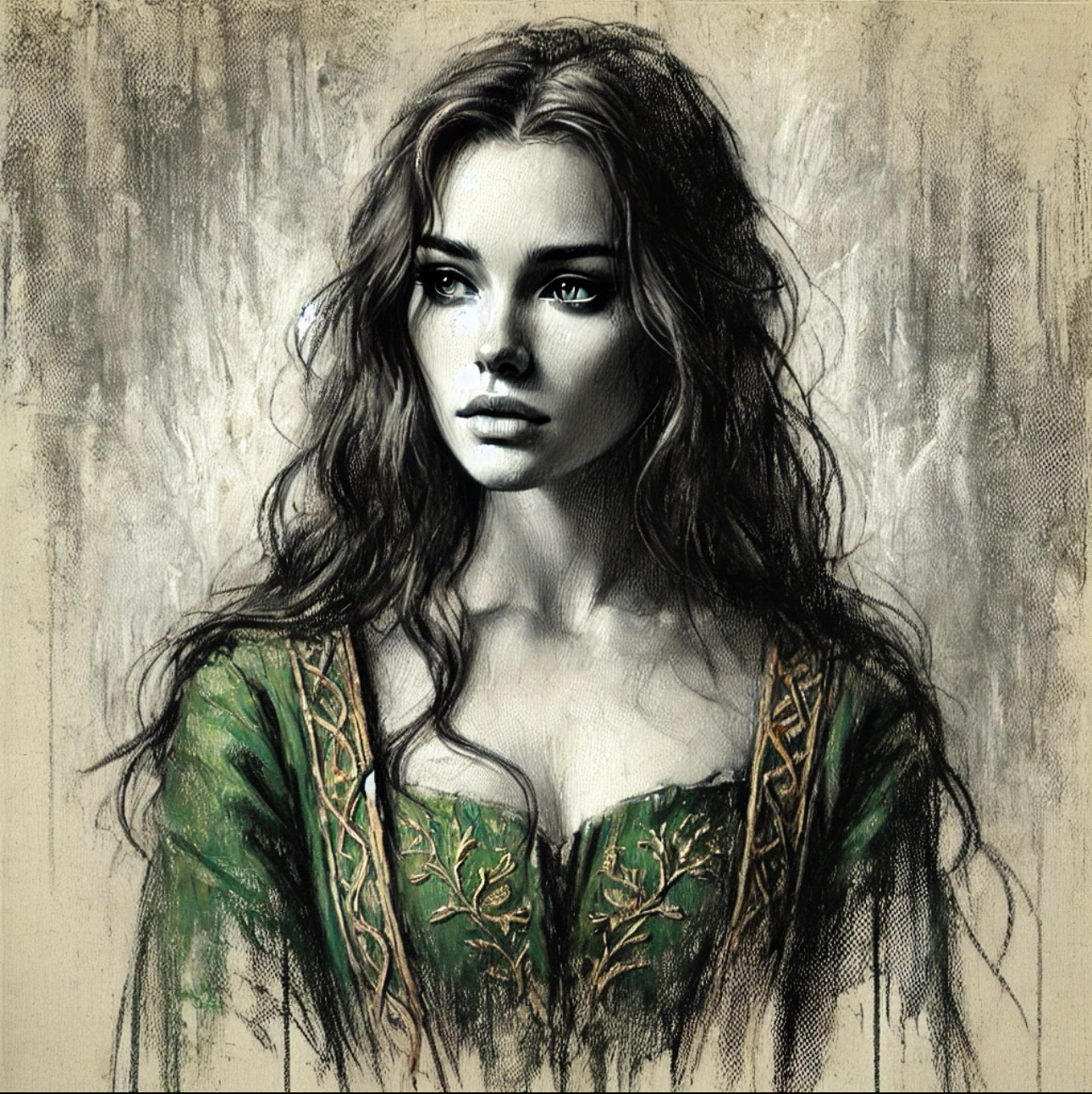
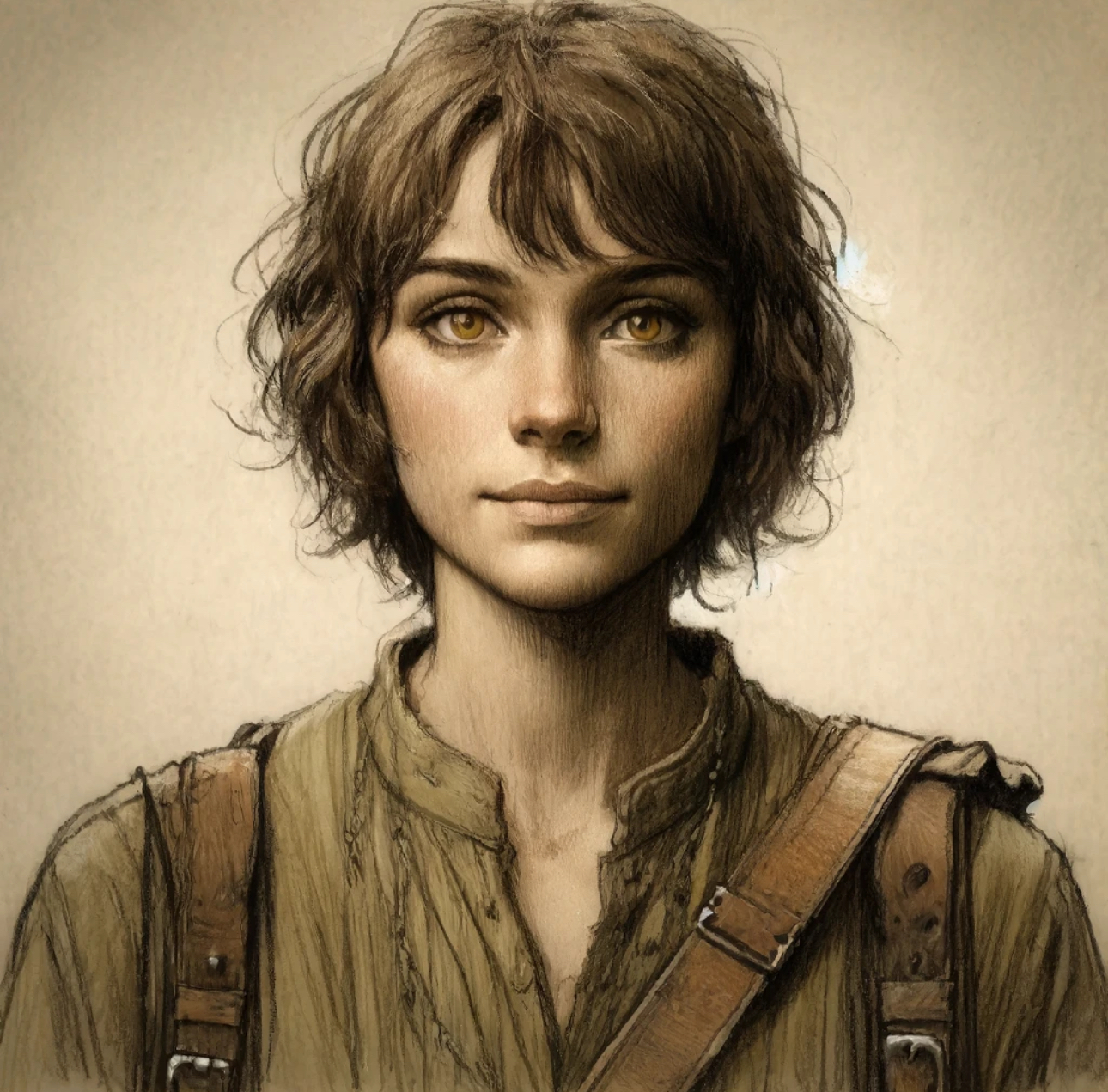
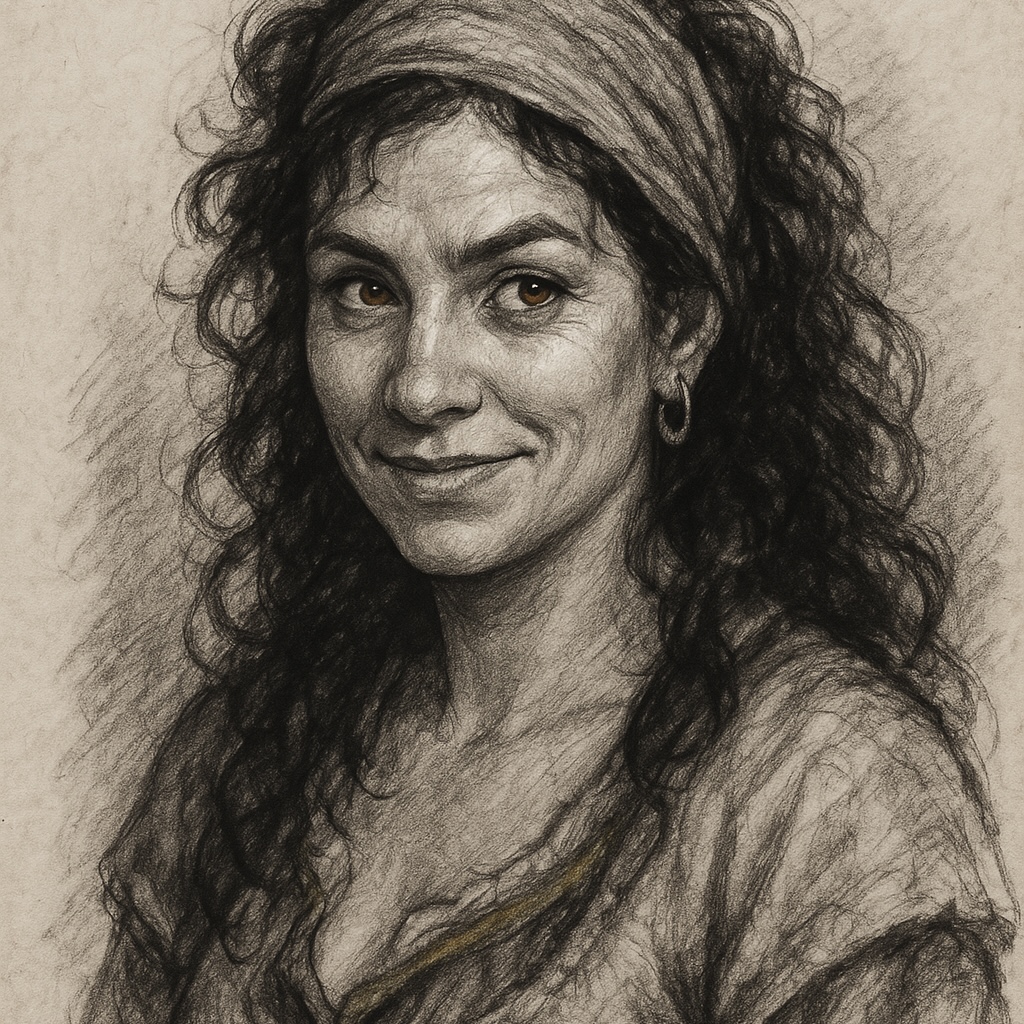
Elowen Faerwyn
Character details · Spoilers
"The Living Heart of the Veil"
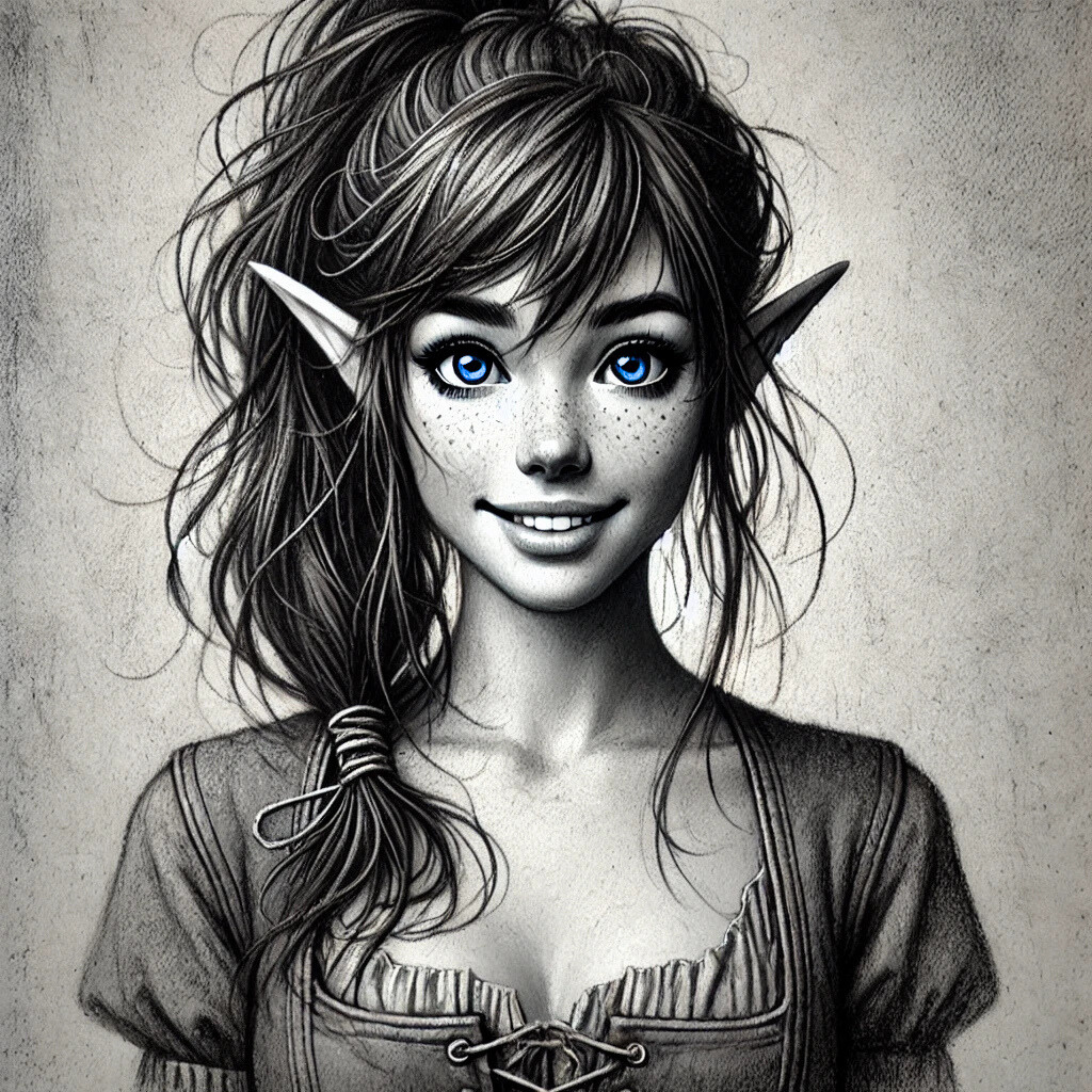
A princess not of crowns and courts but of whispering trees and blooming glades, who eschews royalty for the life of a healer — and discovers that true freedom comes not from power, but from the courage to choose her own sacrifices.
Healer · Empathic · Verdant Veil
Full profile contains spoilers
Character details · Spoilers
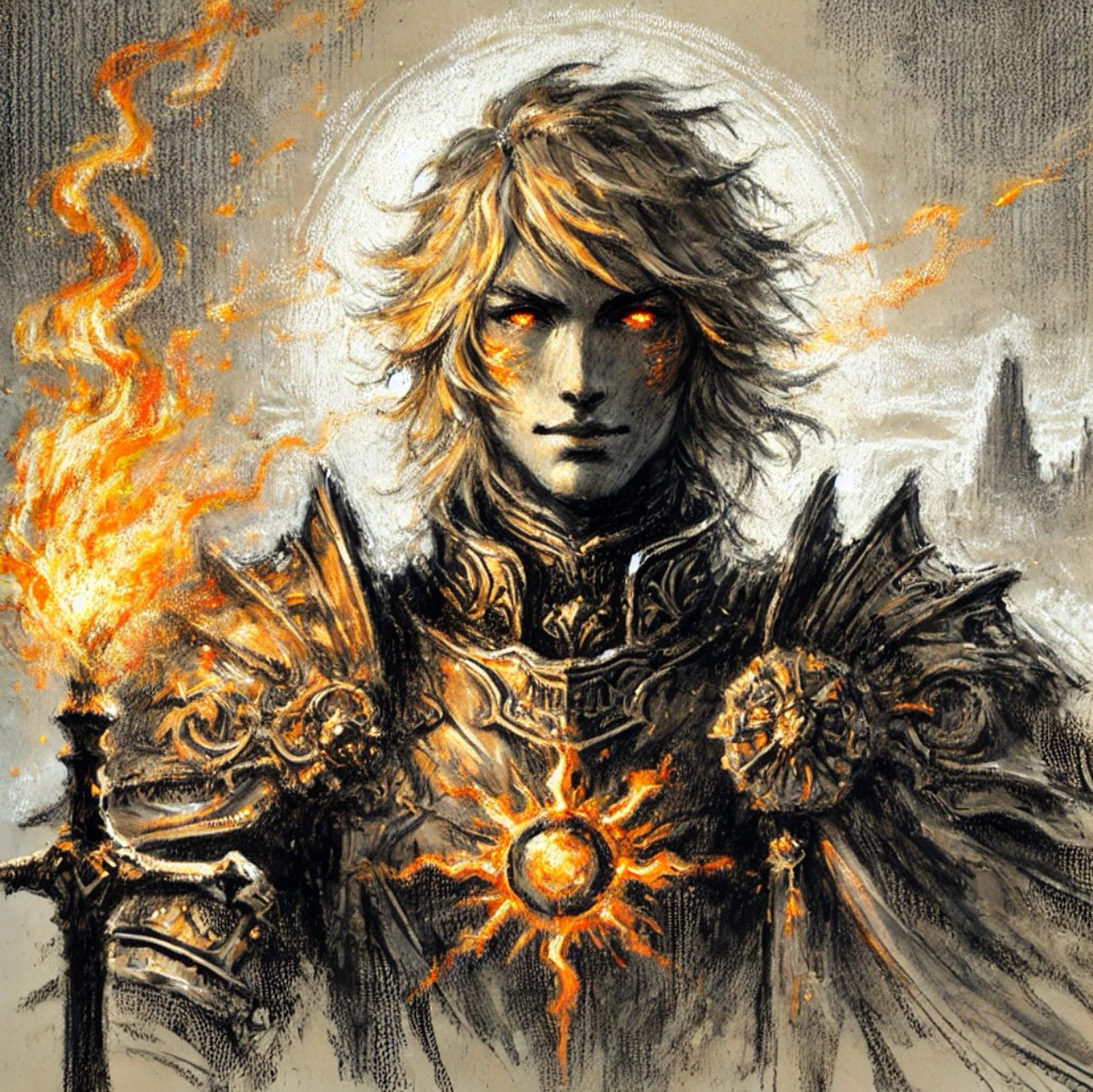
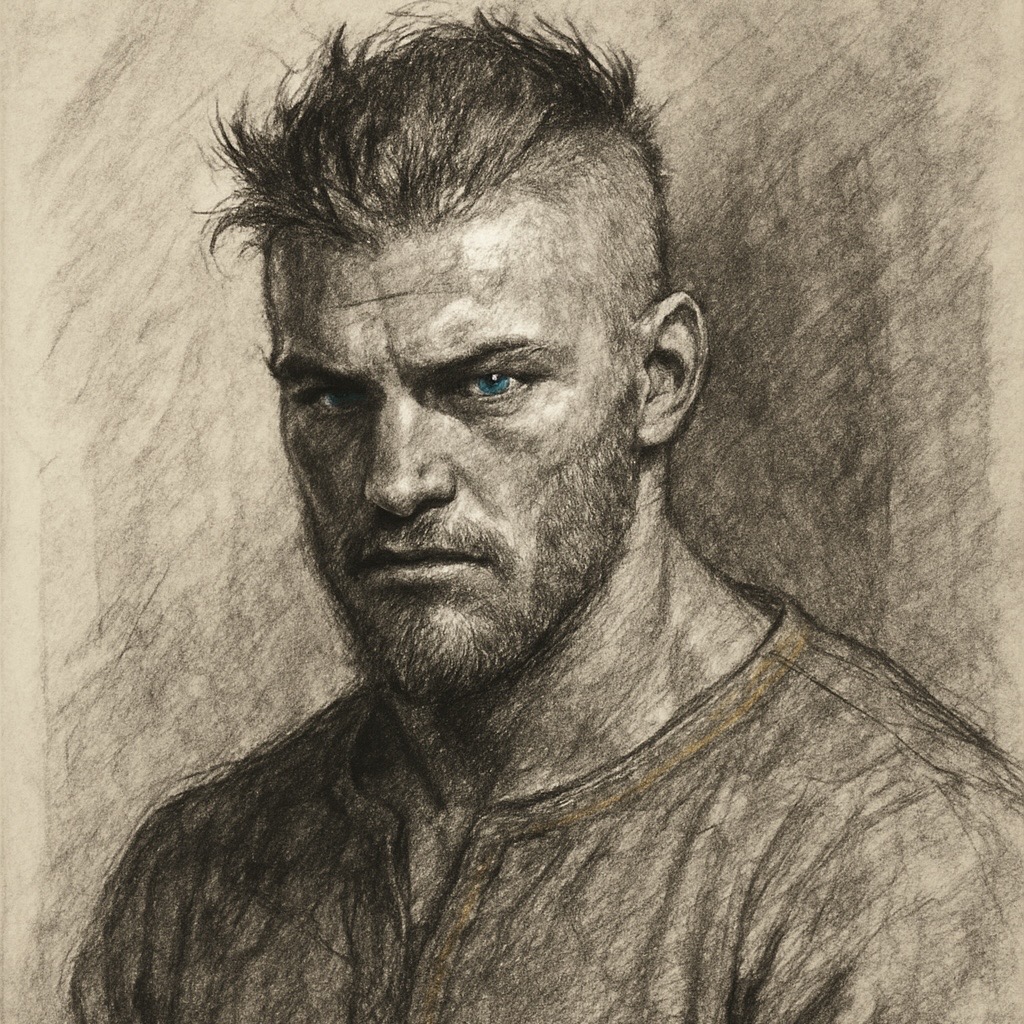
"The Fireborn Prince"
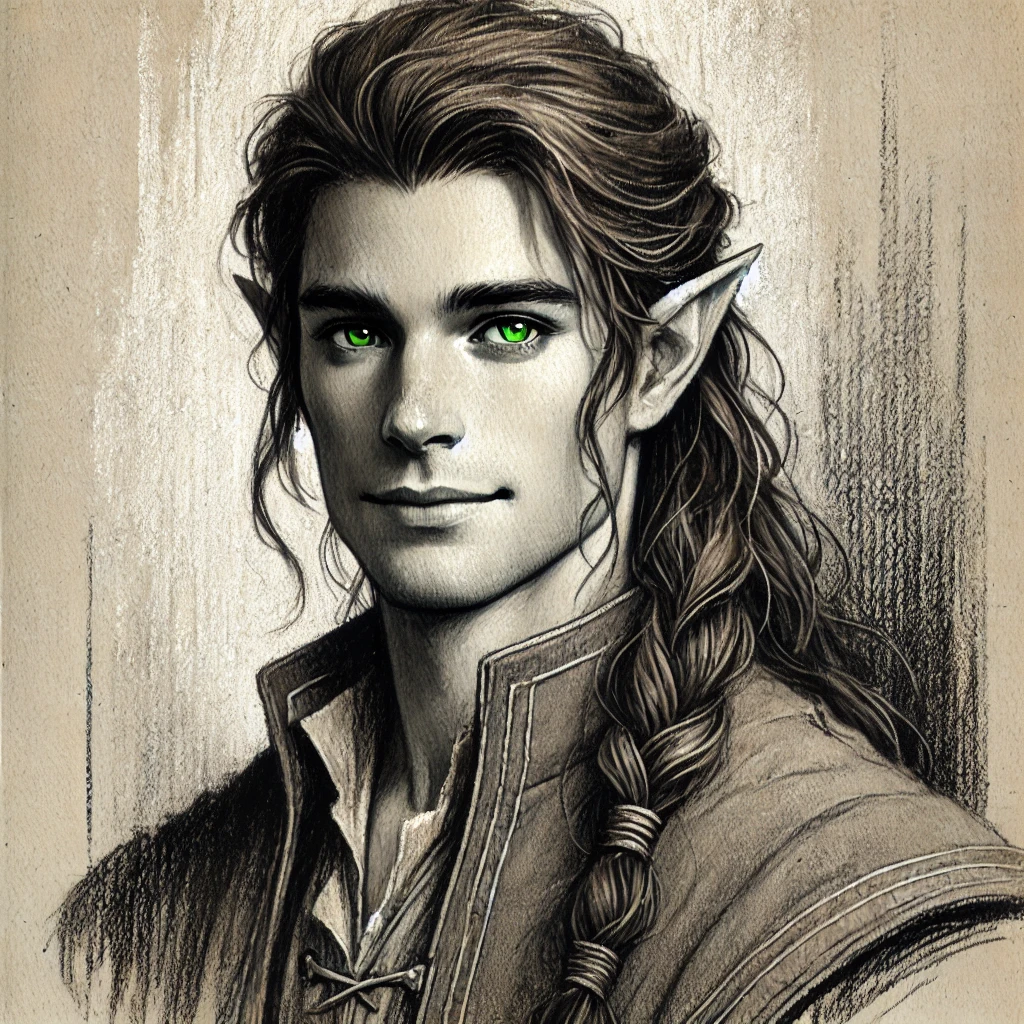
The brightest jewel of the radiant court of Solara, a Bloodmarked prince with the Sun God's fire in his veins, whose legitimate desires for recognition, love and purpose are exploited whisper by whisper — the tragedy at the center of The Silence.
Corrupted · Fire Magic · Tragic Fall
Full profile contains spoilers
The Silence
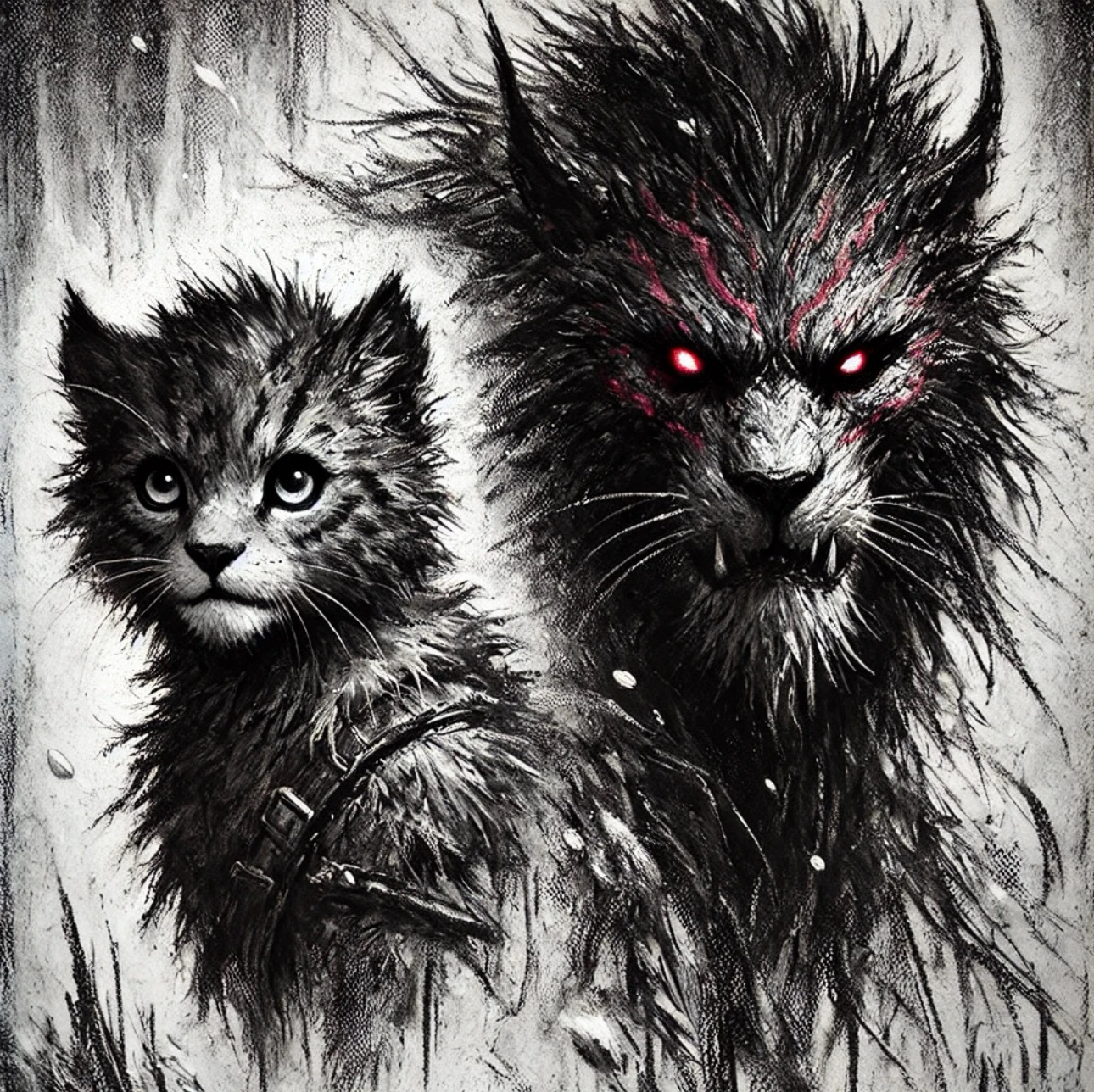
Ryx Shadowclaw
Character details · Spoilers
"The Stray"
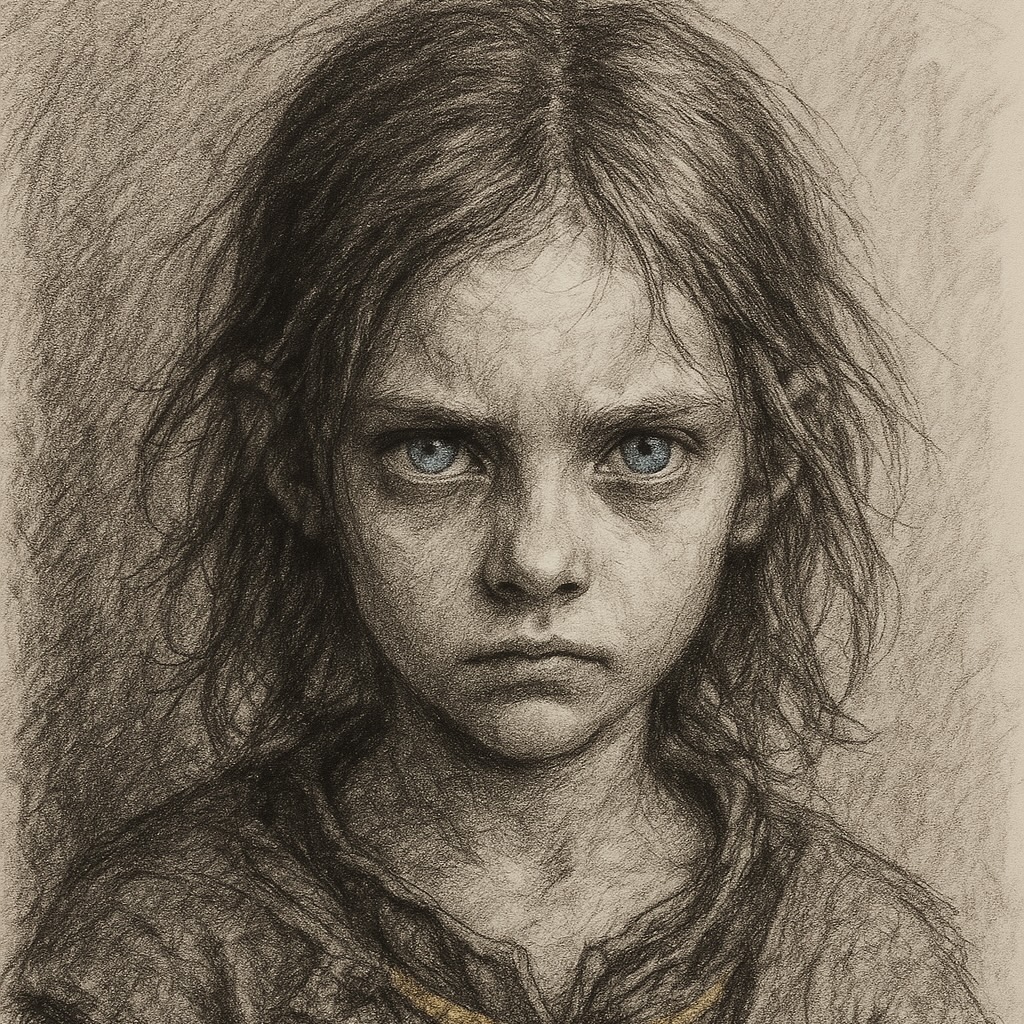
A Feline Beastman cub of the Bloodfang Clans of the Crimson Tundra, marked as different and valued only as an offering to the War God — the sacrifice who got away, whose journey from frightened cub to guardian argues that family is chosen.
Beastman · Protector · Chosen Family
Full profile contains spoilers
The Silence
Mordain Ashcroft
Character details · Spoilers
"The Repentant Inquisitor"
A relic hunter who lost his wife Elena to plague and was brought to the Hollow Spire, in grief, by the scholar Alaquinn Althaea — rising to become its High Inquisitor, the hammer that crushed heresy, until The Silence begins to unbuild his certainty.
Scholar · High Inquisitor · Redeemed
Full profile contains spoilers
The Silence
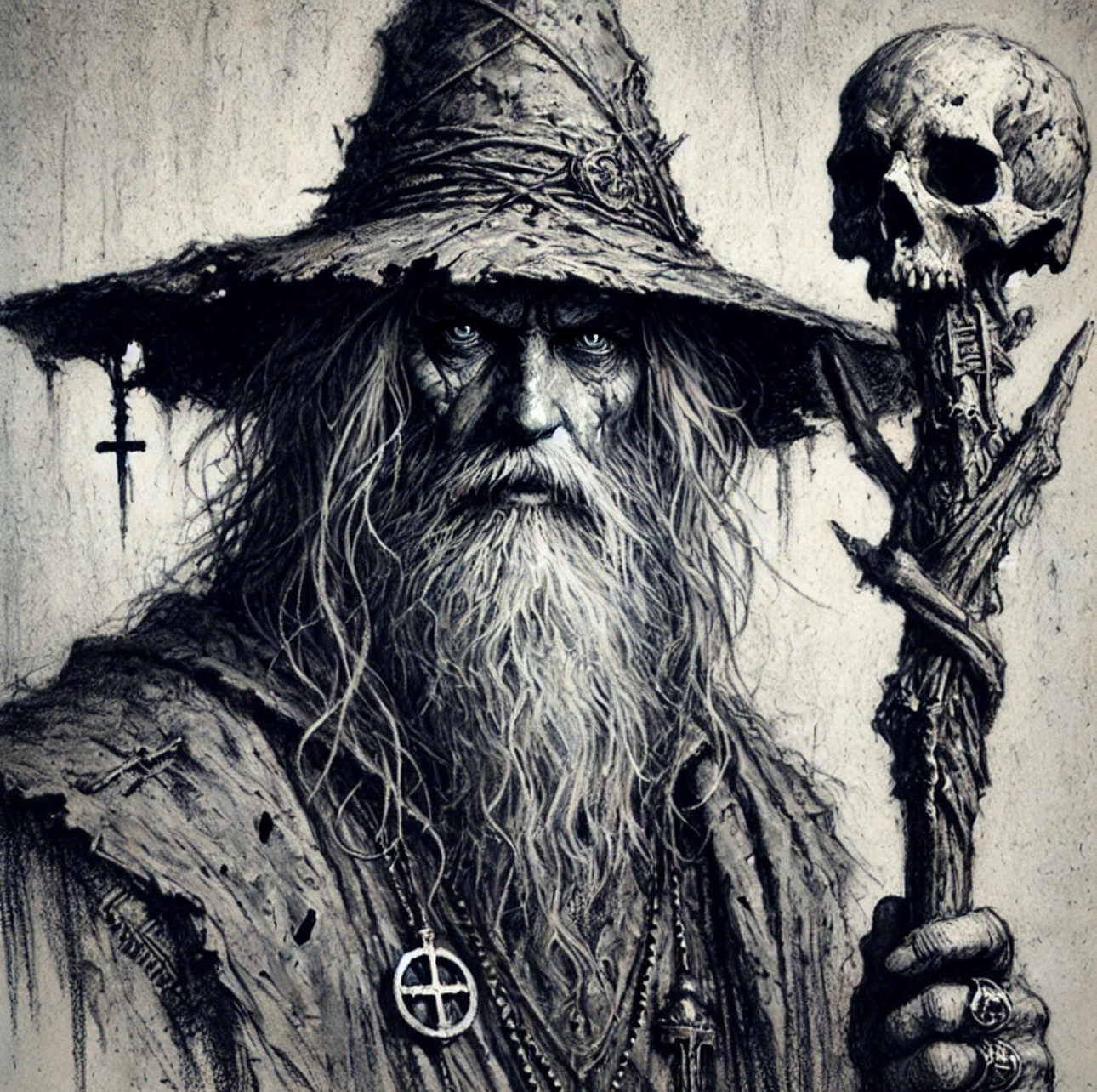
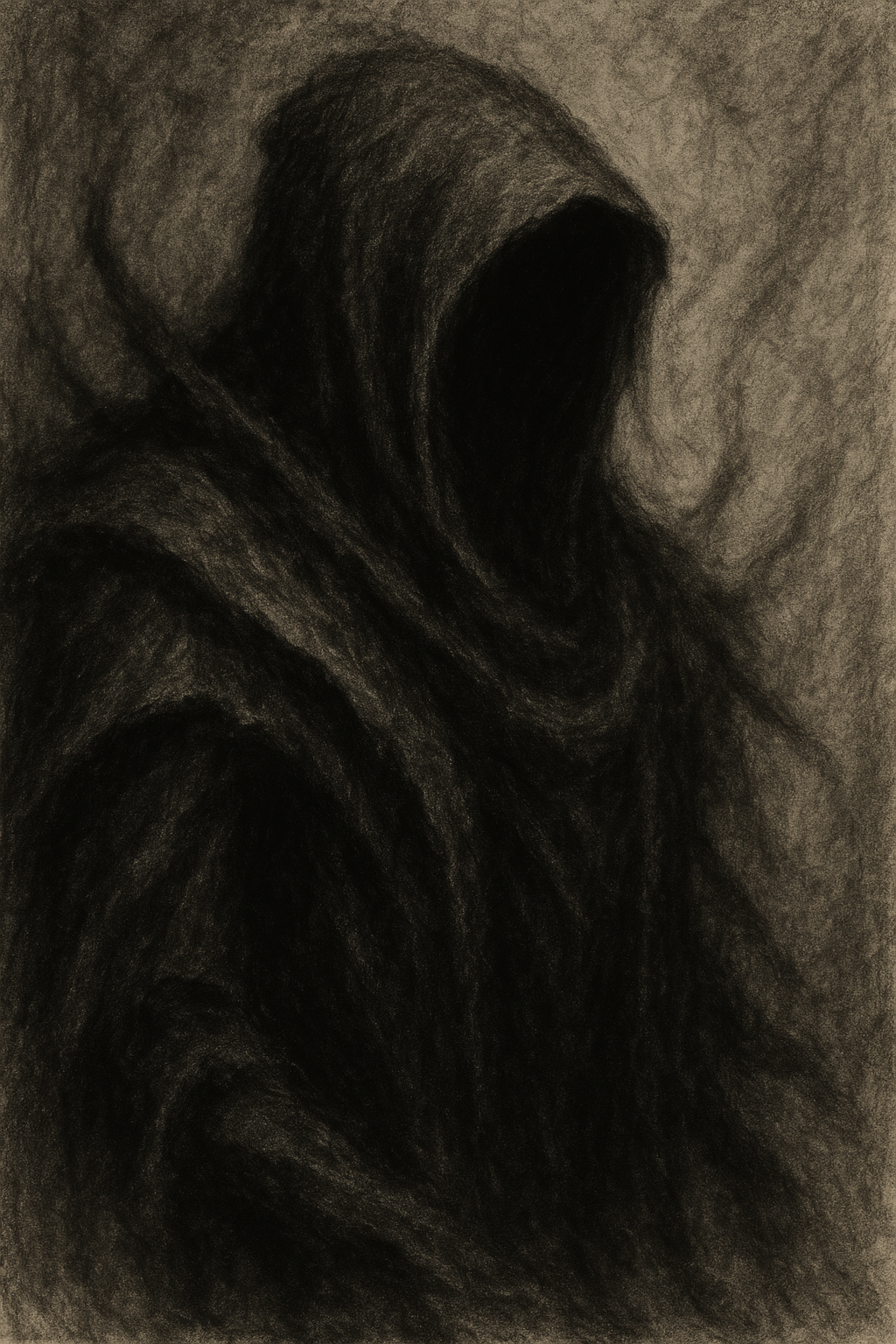
Verites (The Silent God)
Character details · Spoilers
"The Ancient Silence"
The void given awareness, older than the divine war and patient beyond the reckoning of mortals or gods. He does not want thrones or temples; he wants the tapestry of existence unraveled thread by thread, and he is willing to whisper for as long as it takes.
Divine · Void Element · Antagonist
Full profile contains spoilers
The Chosen Chronicles
Mira Roehart
Character details · Spoilers
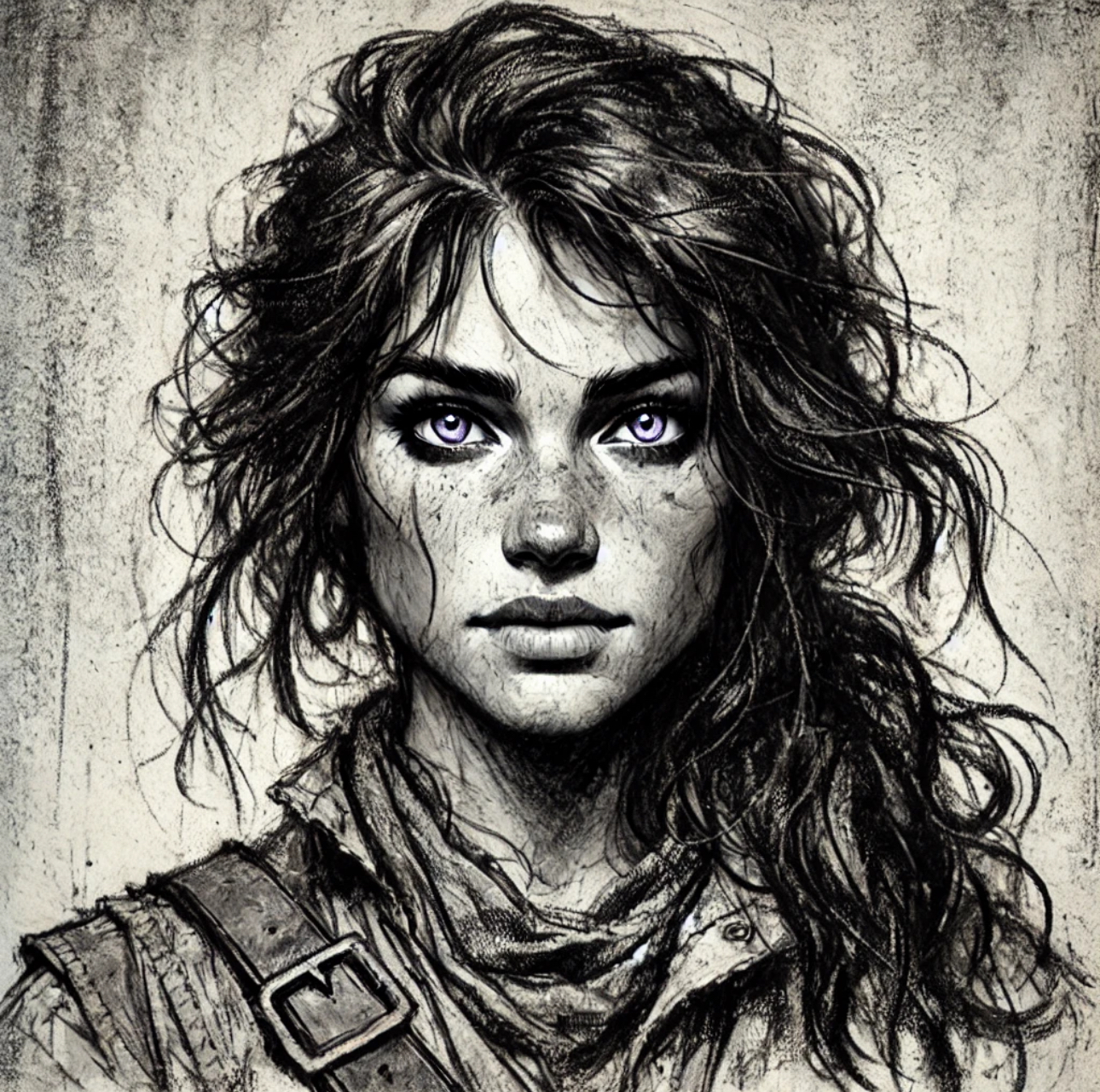
"The Void-Touched"
A young woman of Rivenglade with violet eyes and Nimwe blood, who hears something vital being surrendered where her town hears salvation. Her escape while pregnant, her sanctuary among the Forsaken, and her return eighteen years later to confront Lucien are the shape of the series.
Half-Nimwe · Void-Touched · Rivenglade
Full profile contains spoilers
The Chosen Chronicles
Kai Roehart
Character details · Spoilers
"The Bridge Between Worlds"
Born of trauma but transformed into hope, Mira's son carries both void and celestial power. Named for Mordekai, he grows up in a forest village among nature spirits and, at eighteen, comes home with his mother to face his father.
Nimwe-Vaelari · Void and Light · Named for Mordekai
Full profile contains spoilers
The Chosen Chronicles
Lucien Altheris
Character details · Spoilers
"The False Light"
A Vaelari of elven and angelic blood who arrives at Rivenglade like a fallen star, offering certainty to a battered town — the Son of Zenith whose Light is genuine, and whose righteousness is corruption wearing the face of divinity.
Vaelari · Corrupted Divine · Son of Zenith
Full profile contains spoilers
The Chosen Chronicles
Katalina "Kat" Petari
Character details · Spoilers
"The Lost Soul-Sister"
Mira's anchor and soul-sister, the gentle artist who becomes a zealous missionary the day the Light comes to Rivenglade — everything that follows is Mira reaching for a friend who is reaching, just as lovingly, for a convert.
Lost Friend · Zealous Convert · Tragic
Full profile contains spoilers
The Chosen Chronicles
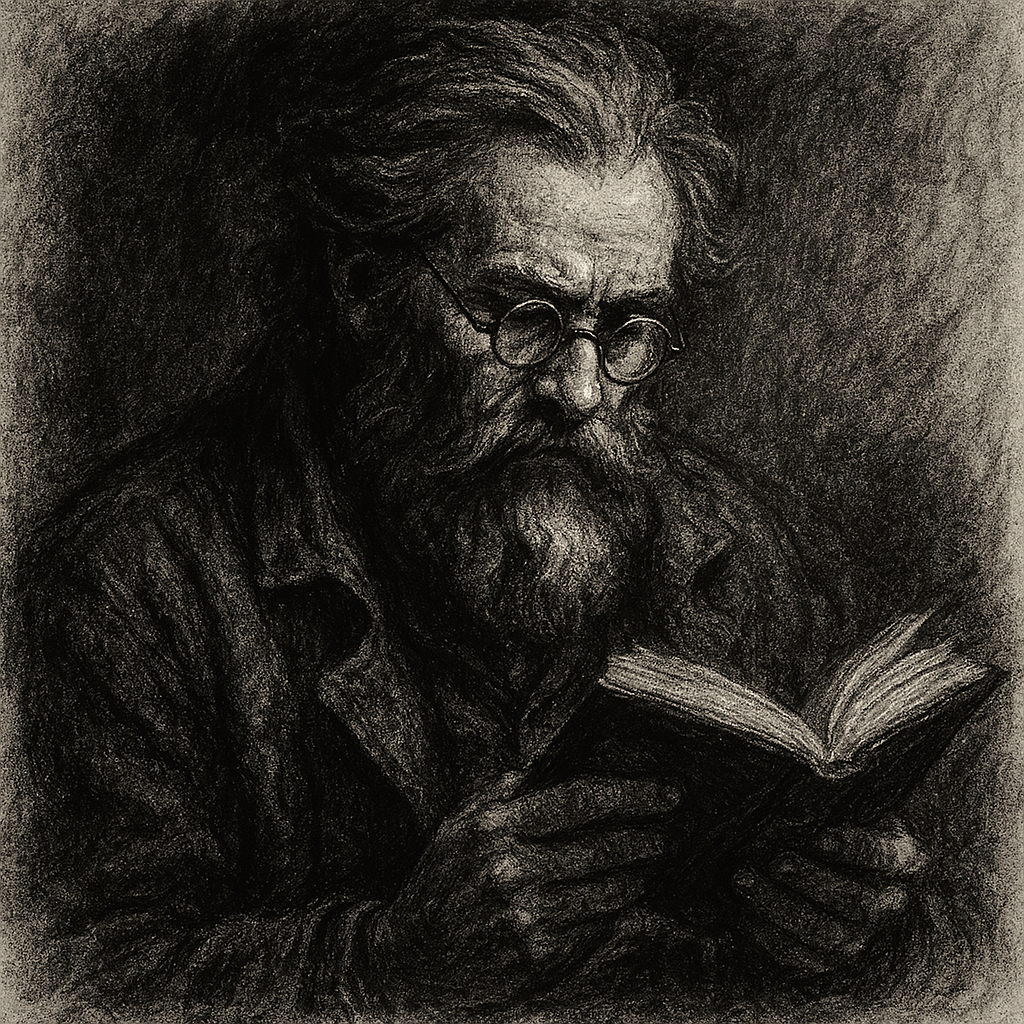
Elias Roehart
Character details · Spoilers
"The Secret Keeper"
Mira's devoted father, a man of few words and old books who kept the truth about her mother behind a hardened jaw and "better this way" — until his own surrender to the Light handed her jailer the key.
Loving Father · Secret Keeper · Convert to the Light
Full profile contains spoilers
The Chosen Chronicles
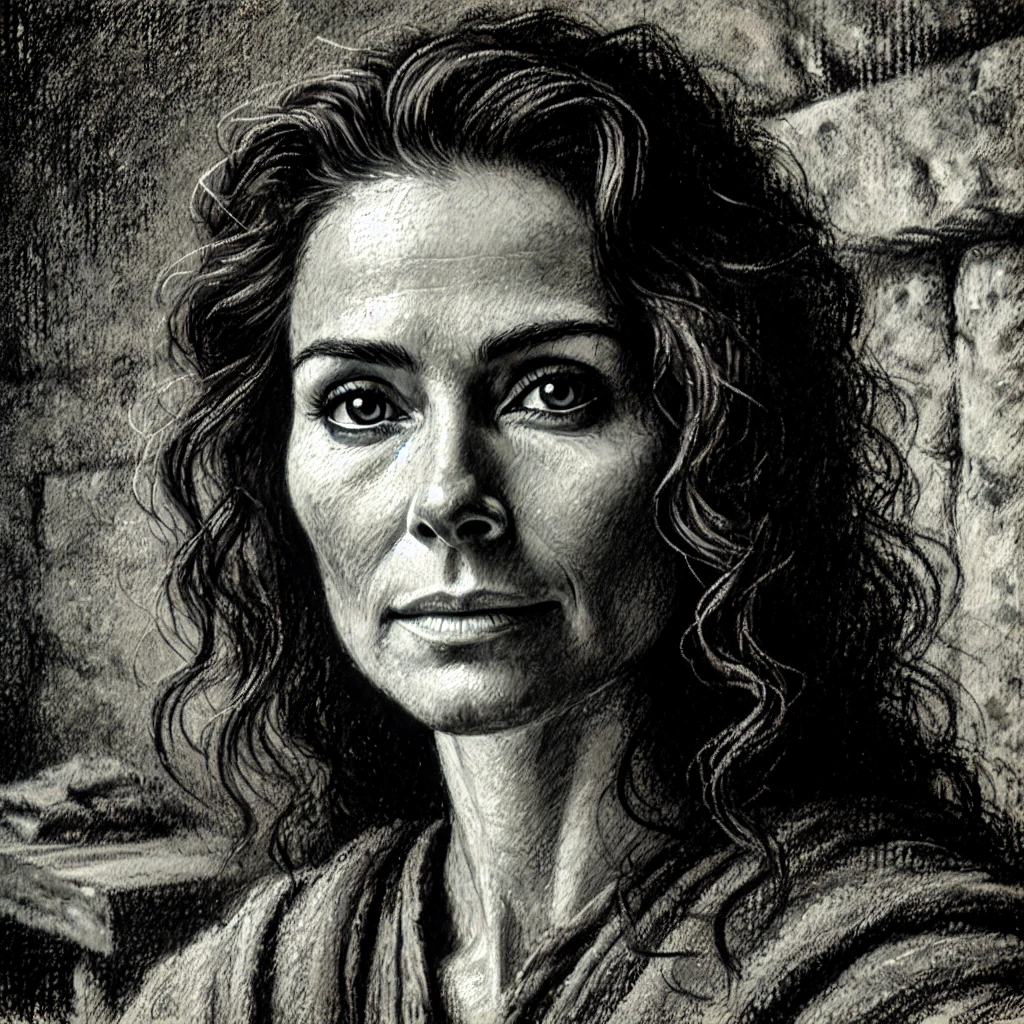
Meridia
Character details · Spoilers
"The Blood Mother"
The woman who calls the Forsaken sanctuary hers, and the first person in the Chronicles to look at Mira Roehart and see a use for her. Her power is people, place, and patience — and the old blood in the stone that even a newcomer can smell.
Forsaken Leader · Revolutionary · Strategic Manipulator
Full profile contains spoilers
The Chosen Chronicles
Mordekai
Character details · Spoilers
"The Liberated Witness"
He enters the Chronicles as a hooded prisoner in the Forsaken's cavern — a former Solarian soldier in Zenith's white and gold who will not stop praying, and the man whose name Mira's son will one day carry.
Liberated · Witness · Found Father
Full profile contains spoilers
The Chosen Chronicles
Dominic
Character details · Spoilers
"The Breaker of Spirits"
The Forsaken's fire: the man who set the bombs that tore open Lucien's temple mid-sermon, the first face of the resistance Mira sees clearly — and the first she sees turn ugly over a man tied to a chair.
Brutal Enforcer · Traumatized · Protective Rage
Full profile contains spoilers
The Chosen Chronicles
Wren
Character details · Spoilers
"The Stranger in the Woods"
A voice in the dark and a hand on the wrist — the practical field operative who pulls Mira out of burning Rivenglade and leads her down the fissure into the Forsaken sanctuary.
Field Operative · Rescuer · Quiet Heroism
Full profile contains spoilers
Character details · Spoilers
"The Young Bomber"
The smaller shadow beside Dominic — the young man who set the bombs and tied the knots, and worked out before anyone else that the girl in white had been running from the same mob they were.
Explosives Expert · Young Operative · Hopeful Energy
Full profile contains spoilers
The Chosen Chronicles
Ezzie
Character details · Spoilers
"The Void-Touched Observer"
The sanctuary's strangest welcome: a slender, pale girl, keen-edged and coiled tight, who rips Mira's sleeve to check her wrist for the mark of exile and delivers the first hard fact about her — "No mark."
Forsaken · Keen-Edged · Notices Everything
Full profile contains spoilers
The Chosen Chronicles
Gerald
Character details · Spoilers
"The Watchful Sentinel"
The face of the sanctuary's suspicion — the grizzled man who is the first to challenge Mira, the last to accept her, and the eyes she cannot escape. He is given no title, only a perch and a knife.
Watchful Guardian · Suspicion · Constant Vigilance
Full profile contains spoilers
Voices of the Wild
Alaquinn Althaea
Character details · Spoilers
"The Aspiring Scholar"
A young elven woman with a blank journal and one subject she cannot stop thinking about — nature spirits — whose unorthodox amateur research at Elden Ridge uncovers the shape of a larger crisis.
Scholar · Researcher · Determined
Full profile contains spoilers
Voices of the Wild
Dani Hightower
Character details · Spoilers
"The Warden of Sacred Fauna"
A warden of Elden Ridge who watches over the sacred animals that bear divine markings — the insider who understands the system and uses that understanding for Quinn rather than against her.
Warden · Protector · Supportive
Full profile contains spoilers
T
The Lost Histories
Tanneus G'Raja
Character details · Spoilers
"The Scholar of Lost Histories"
Ashborn of the Godscarred Wastes, a relic-hunter's son who chose ink over treasure — the Scholar of the Hollow Spire who gathered six forgotten tales of gods who loved mortals, and the hand that carried them out of the dark.
Historian · Keeper · Truth-Seeker
Full profile contains spoilers
E
The Lost Histories
Elodias
Seven Days of Sun
Character details · Spoilers
"God of the Moon and Tides"
God of the moon and tides — bound by a jealous seer's curse to find Senia in every incarnation, love her for seven perfect days, and lose her when the sun sets on the seventh night.
Divine · Cursed · Eternal Love
Full profile contains spoilers
S
The Lost Histories
Senia
Seven Days of Sun
Character details · Spoilers
"Goddess of the Sun"
Goddess of the sun, of warmth and beauty and growing things — reborn mortal without memory of what she is, a fruit vendor in the market of Quenos who saves the best peach for a fair-haired stranger.
Divine · Reborn Mortal · Beloved
Full profile contains spoilers
M
The Lost Histories
Malritha
The Weaver of Sorrows
Character details · Spoilers
"The Weaver of Sorrows"
Born during a lunar eclipse to a line of moon-temple seers, the Blood-Moon Child whose jealous heart wove fate itself into a weapon — the curse that binds Elodias and Senia.
Lunar Seer · Fate Weaver · Jealous
Full profile contains spoilers
The Lost Histories
Thainos
The God Who Wept
Character details · Spoilers
"The God Who Wept"
The youngest of the First Gods and the maker of humanity, who breathed questions into clay and then walked the world in mortal form for a thousand years, searching for one soul untouched by cruelty.
Divine · Wanderer · Seeker
Full profile contains spoilers
L
The Lost Histories
Leika
The God Who Wept
Character details · Spoilers
"Mother of Mountains"
The First God who raised the mountains from her breath — part woman, part living landscape, patient as geological time — whose verdict on humanity is carved most simply: stone endures, clay crumbles.
Divine · Earth · Mother
Full profile contains spoilers
L
The Lost Histories
Libros
The God Who Wept
Character details · Spoilers
"The Lawgiver"
The First God of order, who inscribed the laws that hold reality in place and appears as those equations made visible — whose answer to Thainos's creation is not disgust but a proof.
Divine · Order · Logic
Full profile contains spoilers
A
The Lost Histories
Archadeus
The God Who Wept
Character details · Spoilers
"The War God"
The War God of the First, who gave the hunt its hunger and shaped the Beastmen in the image of that purpose — heat and blood-scent and a form that will not hold still, whose verdict on humanity is that they are prey.
Divine · War · The Hunt
Full profile contains spoilers
A
The Lost Histories
Atonia
The God Who Wept
Character details · Spoilers
"The Goddess of Stark Reality"
The First God of stark reality: truth distilled from chaos, beauty that cuts like winter wind, fact incarnate. Her elves are efficiency without sentiment; her crystal reads humanity's future like a physician at a deathbed.
Divine · Truth · Efficiency
Full profile contains spoilers
F
The Lost Histories
The Forest Elder
The God Who Wept
Character details · Spoilers
"Village Wisdom Keeper"
A blind old woman in a forest village who has waited her whole life for a stranger she has only met in dreams — and who, when the Wanderer comes, knows him.
Elder · Wisdom · Forest
Full profile contains spoilers
A
The Lost Histories
The Abbot
The God Who Wept
Character details · Spoilers
"Abbot of the monastery where five rivers meet"
The woman who leads a monastery in a hidden valley where five rivers meet — a house that follows no single creed, but weaves many traditions into the unwavering practice of compassion.
Abbot · Compassion · No Single Creed
Full profile contains spoilers
V
The Lost Histories
Governor Verin
The God Who Wept
Character details · Spoilers
"The Iron Hand"
A sharp-eyed woman whose rise was built on unflinching pragmatism and ruthless discipline during a long war, now keeping a fragile peace as military governor of the Eastern Reclamation Zone — the story of what happens when protectors become the danger.
Authority · Military · Oppressive
Full profile contains spoilers
M
The Lost Histories
Marra & The Free People
The God Who Wept
Character details · Spoilers
"The Unbowed"
Nomads in a wild valley who bow to no distant rulers, with a shrine at a wounded tree and a rite for seeing what a stranger is — and Marra, whose word carries like a quiet decree: the account's clearest portrait of authority without institution.
Freedom · Spiritual · Nomadic
Full profile contains spoilers
A
The Lost Histories
Azrael
The Sin of Mercy
Character details · Spoilers
"The Fallen Guardian"
The God of Guardian Angels who chose mercy over divine law, killed his corrupted brother, and was cast from heaven — now a hermit in the Dark Forest whom the village of Oakhaven blames for every girl who has ever gone missing.
Fallen · Guardian · Wild God
Full profile contains spoilers
R
The Lost Histories
Rynn
The Sin of Mercy
Character details · Spoilers
"The Stubborn Heart"
A red-haired tavern worker at the Weathered Willow Inn who has never once believed the tales of the demon in the woods — and who walks into the Dark Forest with a lantern to find a missing boy.
Mortal · Tavern Worker · Oakhaven
Full profile contains spoilers
H
The Lost Histories
Hope
The Sin of Mercy
Character details · Spoilers
"The Impossible Child"
The third figure of The Sin of Mercy, not yet shown in the published chapter — the child on whom the tale's central wager is staked: whether choice matters more than nature.
Chosen · Choice Over Blood · The Sin of Mercy
Full profile contains spoilers
O
The Lost Histories
The Villagers of Oakhaven
The Sin of Mercy
Character details · Spoilers
"The Collective Fear"
The chorus of The Sin of Mercy: a crossroads settlement in the shadow of the Dark Forest, gathered at the Weathered Willow Inn, whose oldest inheritance is the story of the devil in the woods who takes girls and leaves only blood.
Community · Fearful · Judgmental
Full profile contains spoilers
K
The Lost Histories
Khali
The Song of Blood and Stone
Character details · Spoilers
"The Dream Shepherd"
A goddess of sleep and dreaming who chose to walk among mortals as a simple healer in a cabin by the river near Moradim — the witch by the river, the last option that turns out to be the right one.
Divine · Healer · Dreams
Full profile contains spoilers
E
The Lost Histories
Prince Eshuah
The Song of Blood and Stone
Character details · Spoilers
"The Displaced Heir"
A Vaelari prince of Fayespire, brought across the Azure Expanse to marry a princess of Moradim he has never met — contemplative, homesick, and carrying a heritage that Khali's divine senses recognize at once.
Vaelari · Prince · Divine Heritage
Full profile contains spoilers
J
The Lost Histories
Princess Jade
The Song of Blood and Stone
Character details · Spoilers
"The Gilded Serpent"
A princess of Moradim who arrives at the healer's gate like a storm pretending to be a breeze, playing at incognito and terrified of her own sleep — the first in the anthology to glimpse the Silence that will one day come for Moradim.
Princess of Moradim · Nightmares · Legend of High Pass
Full profile contains spoilers
A
The Lost Histories
Astrid Ravenscroft
The Divine War
Character details · Spoilers
"The First Bloodmarked"
A village woman of the Free People in the age when the gods hunted mortals for sport — a thinker and proposer of patrols who, after one sunset, accepts from Silas the Trickster the divine blood that makes her the first of the Bloodmarked.
First Bloodmarked · Free People · Transformed
Full profile contains spoilers
N
The Lost Histories
Natalia DreamingOwl
The Divine War
Character details · Spoilers
"The Lost Light"
The light of the first chapter of The Divine War: Astrid's friend who names every chicken, weaves flower crowns, and believes the Wild Gods are different from the ones who hunt — and whose whole life, as the tale gives it, fits into one afternoon in a meadow.
Free People · Faithful · Catalyst
Full profile contains spoilers
E
The Lost Histories
Eamon Wolfcry
The Divine War
Character details · Spoilers
"The Wild Gods are just stories, Astrid."
Astrid's lover, a scarred smith of her village who went out into a night that belonged to the gods because the woman he loved had not come home — the mortal heart of a story that asks whether refusing power is wisdom.
Free People · Refused Power · Human
Full profile contains spoilers
S
The Lost Histories
Silas
The Divine War
Character details · Spoilers
"The Trickster God"
The Trickster God of The Divine War — silver-haired, oil-eyed, and charming — who sets the war moving, and who offered a grieving village woman his own divine blood. What he loves is possibility.
Divine · Trickster · Bloodmarked Architect
Full profile contains spoilers